
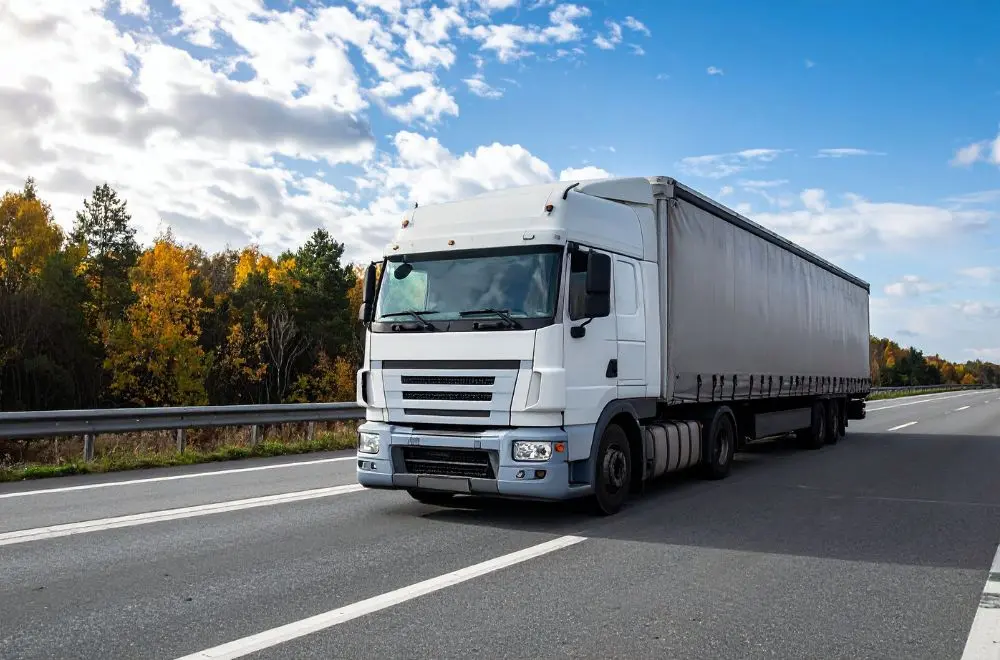
Running a trucking business takes precision, planning, and protection that holds up under pressure. Commercial carriers insurance in California is built to safeguard your trucks, drivers, and cargo when challenges arise. Every mile on the road carries risk, and the right coverage ensures your business stays steady no matter what comes its way.
At Old Harbor, we partner with respected carriers and specialty markets to match California trucking operations with dependable protection. From liability to fleet coverage, we tailor policies that fit your routes, assets, and long-term goals. Our focus is to keep your operation moving confidently while helping you manage costs effectively.
Protect Every Mile: Commercial Carriers Insurance California Explained
What Commercial Trucking Insurance Covers
Commercial trucking insurance provides financial protection for vehicles, cargo, and the people responsible for transporting it. It covers losses that may result from accidents, damage, theft, or liability claims arising from the operation of commercial trucks. This coverage gives trucking companies a safeguard for both their vehicles and their business operations.
Why California’s Trucking Operations Have Unique Needs
California’s trucking industry faces distinct challenges that require focused coverage. Dense traffic raises collision and liability risks, while long routes across varied terrain increase wear on equipment. Strict state and federal regulations add another layer of responsibility, making specialized insurance essential for steady, compliant operations.
Core Coverages Every Trucking Policy Should Include
A comprehensive commercial trucking policy typically provides several layers of coverage:
- Liability Coverage — Protects against financial loss from injuries or property damage caused by your vehicles.
- Physical Damage Coverage — Covers repair or replacement costs if trucks are damaged in an accident or other covered event.
- Cargo Coverage — Secures the goods transported from loss or damage in transit.
- General Liability Coverage — Extends protection to non-driving incidents connected to business operations.
- Workers Compensation — Covers medical and wage expenses for employees injured on the job.
Each element helps reduce exposure to common risks on and off the road. The structure of the policy reflects the realities of daily trucking, including tight schedules, high-value cargo, and constant motion.
How Coverage Applies to Real-World Trucking Risks
Insurance becomes real when the unexpected happens. A minor collision can lead to repair costs, liability claims, and delayed deliveries. Cargo coverage keeps losses manageable if goods are stolen or damaged. Roadside assistance helps recover from breakdowns that interrupt schedules. Each layer of coverage has a practical purpose in maintaining the company’s rhythm and reputation when challenges arise.
Why the Right Plan Matters
Every trucking operation has a different rhythm. Fleet size, cargo type, and route length all shape what protection makes sense. A well-designed insurance plan doesn’t just meet state requirements; it supports business continuity and financial control. In California’s fast-moving environment, that kind of foresight keeps a company steady no matter how busy the highway becomes.
Every Policy Has a Purpose: Understanding Trucking Insurance Options
Every trucking business runs on precision. Each mile depends on planning, timing, and trust in the systems that keep everything moving. Insurance is part of that system. It secures people, vehicles, and cargo against the unpredictable turns that come with life on the road.
Auto Liability Insurance
Auto liability insurance is the cornerstone of trucking coverage. It pays for bodily injury and property damage when a driver causes an accident. These policies absorb costs tied to medical expenses, repairs, and legal claims, shielding companies from significant financial loss.
California law mandates commercial vehicles to carry minimum liability coverage. Federal requirements extend further for carriers operating beyond state lines. Beyond compliance, liability coverage reflects accountability, reassuring clients that safety and professionalism drive every operation.
Motor Truck Cargo Insurance
Motor truck cargo insurance protects freight in transit. It covers financial losses when goods are stolen, damaged, or destroyed. This protection maintains business relationships and ensures carriers meet contract standards that require proof of cargo coverage.
- Protection for theft or hijacking during transport.
- Coverage for fire, collision, or weather-related loss.
- Compensation for loading and unloading damage.
Reliable cargo coverage keeps both carriers and clients secure, reinforcing trust in every shipment delivered.
Physical Damage Coverage
Physical damage coverage protects the trucks themselves. It includes collision coverage, which applies when a vehicle strikes another object, and comprehensive coverage, which covers events like theft, vandalism, or weather damage. A trucking business depends on equipment that performs daily. Physical damage coverage helps repair or replace vehicles after incidents that interrupt service. It keeps the fleet operational and the business consistent through demanding schedules and long routes.
Non-Trucking Liability and Bobtail Coverage
Non-trucking liability applies when a vehicle is used outside company dispatch, while bobtail coverage protects the truck when driven without a trailer attached. Owner-operators often rely on these coverages to stay protected between jobs. This ensures their personal liability remains limited even when the truck isn’t in service for an active load.
- Driving home after completing a delivery.
- Traveling to maintenance appointments.
- Moving the truck without a trailer.
These protections close the gaps that exist when the truck is still moving, but not technically working.
Worker’s Compensation and Employer’s Liability
Worker’s compensation covers employee medical costs and lost wages after a workplace injury. Employer’s liability complements it by handling potential lawsuits related to those injuries. Trucking companies rely on these protections to safeguard both employees and business operations. Drivers, dispatchers, and maintenance crews all benefit from policies that ensure care, compliance, and business continuity.
Commercial Umbrella Policy
A commercial umbrella policy extends coverage beyond existing policy limits. It adds a secondary financial layer that applies after a claim exceeds the limits of primary coverage. This coverage supports trucking operations that handle multiple vehicles, high-value shipments, or complex contracts. The umbrella policy reinforces stability and provides peace of mind, giving businesses room to operate confidently when large-scale claims occur.
Factors That Affect Insurance Costs
Insurance costs tell a story about how a business operates. The trucks you run, the miles you cover, and the safety culture you build all shape what you pay to stay protected. Understanding these factors gives every trucking company a way to manage risk with intention and insight.
Variables That Shape Premiums
Every insurance premium reflects the realities of the road. Several elements influence pricing for commercial trucking coverage, and knowing them helps carriers plan ahead with accuracy and control.
- Vehicle Types: Larger or specialized trucks generally carry higher replacement costs and repair expenses.
- Routes: Long-haul trips through high-traffic regions or challenging terrain increase exposure to incidents.
- Driver Records: Experienced drivers with clean histories contribute to safer fleet ratings and lower premiums.
- Cargo: The value and type of freight—hazardous materials, perishables, or high-value goods—affect risk levels.
- Coverage Limits: Broader coverage and higher policy limits strengthen protection but raise total costs.
These factors combine into a profile that determines the financial responsibility of a fleet. Awareness of how each one functions helps carriers make smarter coverage decisions.
Risk Management and Safety Programs
Premiums respond to evidence of safety. Carriers that invest in risk management reduce claim frequency and build stronger negotiating positions with insurers.
Regular safety training, route planning, and vehicle maintenance programs create patterns of reliability. Monitoring driver performance, upgrading equipment, and maintaining records of compliance help shape a positive risk history that keeps costs manageable. Insurance reflects trust, and trust grows through consistency on the road.
Working with Experienced Agencies
Experienced insurance agencies understand how to align coverage with a trucking company’s specific risks and routes. They analyze operations, identify areas of exposure, and guide businesses toward balanced protection and sustainable premiums. Reliable expertise keeps costs manageable while maintaining strong, consistent coverage.
Compliance and Regulatory Considerations
Every successful trucking operation runs on horsepower, logistics, and compliance. This unseen structure keeps every truck legal, insured, and trusted to operate on California’s roads. Understanding and maintaining these requirements preserves both safety and credibility across the entire fleet.
Requirements from California DOT and FMCSA
Trucking businesses in California operate under a shared framework of state and federal oversight. The California Department of Transportation (Caltrans) and the Federal Motor Carrier Safety Administration (FMCSA) establish the regulations that govern everything from driver qualifications to vehicle registration.
- USDOT and MC Numbers: Identification for operating authority.
- Safety Fitness Determinations: Records demonstrating compliance with federal safety standards.
- Vehicle Maintenance Logs: Proof that all equipment is inspected and maintained regularly.
- Driver Qualification Files: Updated documentation confirming eligibility to operate.
These filings build the administrative foundation that supports every route and shipment. Compliance shows readiness and professionalism before a truck even leaves the lot.
Maintaining Active Filings and Proof of Insurance
Insurance coverage plays a direct role in remaining compliant. Active proof of insurance must be available for both state and federal filings, and lapses can result in penalties or suspended operating authority.
Regular audits and internal checks keep documentation accurate. Many carriers maintain a compliance calendar to track renewal dates for policies, licenses, and filings. This consistent attention ensures that coverage stays valid and every truck remains cleared to operate without disruption.
How Expert Guidance Helps Maintain Compliance
Compliance requires ongoing coordination between management, drivers, and insurers. Experienced advisors help organize documentation, review policy accuracy, and ensure filings reflect current operations. When filings stay current, fleets avoid unnecessary downtime and administrative delays that can interrupt business flow.
How Old Harbor Insurance Keeps California’s Trucking Businesses Protected
California’s trucking industry keeps goods and businesses in motion every day. We work alongside those who keep the state’s economy moving, providing coverage designed to protect, simplify, and strengthen their operations. At Old Harbor, we begin by understanding how each trucking company runs and what matters most to it.
Our Role in Protecting Carriers
We help commercial carriers secure coverage that fits the size, structure, and scope of their operations. Whether managing a single truck or a fleet of vehicles, our goal is to keep businesses protected from loss while supporting long-term stability.
We focus on understanding each client’s operation before recommending solutions. This clarity allows us to align coverage with the specific risks faced by California carriers, from liability exposure to vehicle protection and compliance needs.
Trusted Relationships with Carriers and Markets
Our work depends on strong relationships with both admitted insurance carriers and specialty markets. These partnerships allow us to tailor solutions that meet the unique needs of trucking businesses across California.
We collaborate with respected providers that share our commitment to reliability and responsive service. Access to a broad market network helps us identify coverage options that balance cost efficiency and comprehensive protection.
Personalized Guidance and Policy Design
Trucking businesses have distinct risks, and our role is to translate those into practical insurance solutions. We help design policies that align with routes, cargo types, and operational requirements.
- Coverage Assessment: Reviewing existing policies for strengths and gaps.
- Cost Alignment: Structuring coverage that fits within financial goals.
- Policy Coordination: Managing multiple lines for seamless protection.
Each plan we build is tailored to reflect how a trucking company truly operates, keeping protection relevant and straightforward.
Drive with Assurance, Operate with Ease
California’s roads demand focus, discipline, and the right protection. With commercial carriers insurance in California, trucking businesses can operate with security and confidence, knowing their vehicles, drivers, and cargo are covered. We build solutions that align with real routes, real risks, and the realities of daily operations.
At Old Harbor, we help carriers navigate coverage with clarity and care. Every policy we design reflects experience, trust, and commitment to our clients’ success. Reach out to us today, and let’s make sure your business stays protected, your fleet stays strong, and every mile ahead remains secure.
FAQs
What does commercial carriers insurance in California typically include?
It generally covers auto liability, cargo protection, physical damage, and general liability. Depending on your operation, it can also include workers compensation, non-trucking liability, or an umbrella policy for added protection. The right combination ensures trucks, drivers, and goods are safeguarded against unexpected loss.
How are trucking insurance premiums calculated?
Premiums depend on several factors such as vehicle type, cargo value, driver records, routes, and claims history. Insurers also assess mileage and the company’s safety programs. Strong safety practices, clean records, and consistent maintenance can significantly help reduce overall costs.
Why is cargo coverage so important for trucking companies?
Cargo coverage protects the goods you transport from theft, damage, or loss. For many clients, it’s a requirement within contracts. Having it in place builds trust with shippers and prevents costly disputes when something goes wrong during transit.
What makes Old Harbor a trusted partner for trucking businesses?
We bring industry experience and a hands-on approach. Our team understands the challenges of operating in California and builds policies that fit each client’s specific risks. We focus on service, clarity, and long-term protection.
How does Old Harbor help clients stay compliant with trucking regulations?
We assist clients in maintaining current insurance filings, monitoring renewal timelines, and managing documentation required by state and federal agencies. This ensures operations continue smoothly without administrative interruptions or compliance issues.