
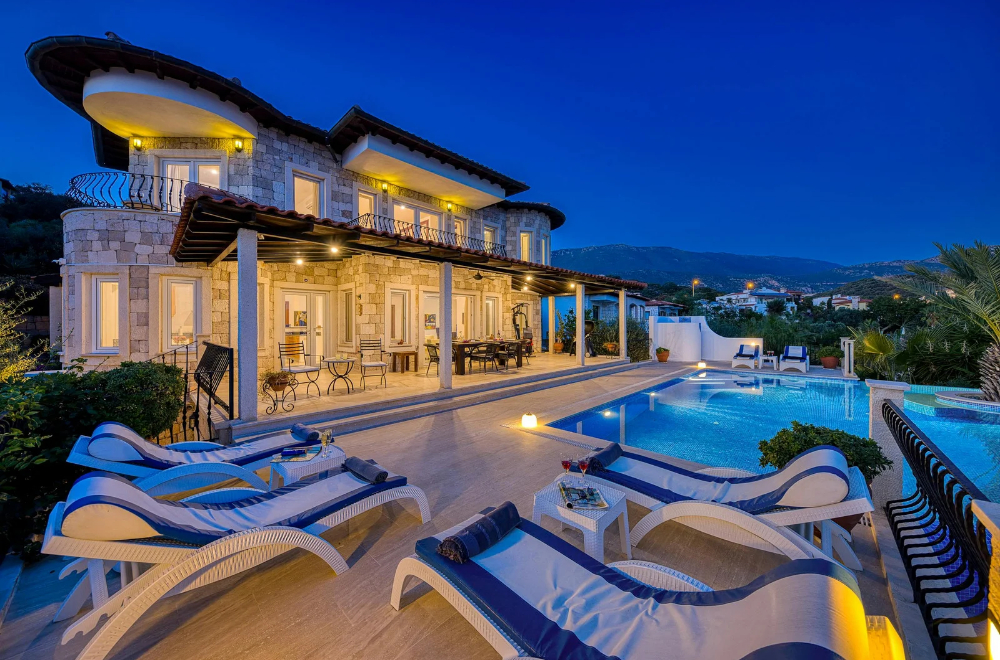
In June 2025, Eagle’s median list price reached $1,049,000, a 32% increase from the previous year, averaging roughly $356 per square foot, according to Rocket Homes market data. Old Harbor Insurance provides comprehensive homeowners insurance tailored for Eagle, Idaho, buyers and property owners. Coverage options cater to diverse needs across the region, from newer planned subdivisions along Floating Feather Road to expansive estate properties featuring barns, guest houses, and agricultural land that standard policies often fail to evaluate accurately.
Many existing policies were established when properties were smaller or undeveloped, or when dwelling limits reflected original purchase prices rather than current replacement costs. Establishing accurate coverage limits is especially critical in Eagle, where home sales across Ada County reached as high as $6,875,000 in December 2025, according to Boise Regional REALTORS data compiled by Build Idaho.
Eagle’s growth continues to outpace the broader Ada County real estate market, attracting buyers to both newly constructed suburban communities and high-acreage properties outside Boise. Because property values appreciate rapidly, key policy components, including dwelling limits, scheduled personal property lists, and liability limits, should be re-evaluated regularly to ensure coverage keeps pace with market changes.

What Homeowners Insurance in Eagle, Idaho Needs to Cover
Eagle’s real estate includes a blend of modern master-planned subdivisions and extensive acreage properties equipped with barns, workshops, guest quarters, and equestrian facilities. Insurance policies designed for standard single-family suburban homes are rarely sufficient for multi-acre estates with outbuildings and specialized infrastructure.
| Coverage Type | What It Addresses |
|---|---|
| Dwelling / replacement cost | Rebuilding the home itself at current labor and material costs |
| Other structures | Barns, shops, guest houses, detached garages |
| Personal property | Furnishings and belongings, with scheduling for jewelry, art, or collections |
| Liability | Injuries to guests, contractors, or visitors on the property |
| Loss of use | Temporary housing while a covered loss is repaired |
| Ordinance or law | Added cost of meeting current building code during a rebuild |
Guaranteed and Extended Replacement Cost Options
Standard dwelling limits are established at policy inception and do not automatically adjust to rising construction costs. With average local building costs around $356 per square foot in Eagle, coverage limits established just a few years ago may fall significantly short of current rebuilding expenses.
A guaranteed or extended replacement cost endorsement addresses this shortfall by covering actual rebuilding costs at prevailing market rates rather than capping payouts at a fixed dollar amount. This feature is particularly valuable for custom luxury homes, where standard valuation tools tend to underestimate premium finishes and specialized construction.
Wildfire Risk and Home Insurance in the Eagle Foothills
In August 2025, a wildfire burned approximately 240 acres in the Eagle foothills, triggering precautionary evacuations near hillside residences, according to local news coverage. Eagle Fire Department Deputy Fire Marshal Kobie Woolf noted that properties in the area are located within a Wildland-Urban Interface (WUI) zone. While no structures were destroyed in that incident, the event highlighted the ongoing fire risk for foothill properties.
Data from the Federal Emergency Management Agency (FEMA) indicates that 30% to 40% of Idaho homes are located in wildland-urban interface areas where residential development borders natural vegetation, as cited in research summarized by the Idaho State Board of Education. In response, Ada County and the City of Boise have implemented strict WUI zoning standards, which directly impact foothill-adjacent neighborhoods in Eagle.
Defensible Space Impact on Property Underwriting
The Eagle Fire Department recommends maintaining three distinct defensible space zones: clearing all flammable materials within 5 feet of the home, keeping low, well-maintained vegetation between 5 and 30 feet, and thinning brush while trimming tree limbs out to 100 feet. Insurance carriers evaluating foothill properties frequently review defensible space measures, as proper mitigation significantly reduces claim risk and improves structural survival during a wildfire.
Scheduling Personal Property for High-Value Eagle Homes
Standard homeowners insurance policies typically enforce strict sublimits on categories such as fine jewelry, firearms, and artwork, often capping coverage at a few thousand dollars regardless of total policy limits. These caps are rarely adequate for high-value Eagle residences, especially properties holding valuable collections, equipment, or equestrian gear.
Scheduling individual high-value items through a scheduled personal property endorsement ensures each item is insured for its appraised value. This removes standard category sublimits and expands coverage to protect against accidental loss or damage. Periodic appraisal updates help maintain coverage in line with appreciating asset values.
Builder’s Risk Insurance for New Construction in Eagle, ID
With significant new residential development occurring across Eagle, many homeowners enter the market via new construction. Because standard homeowners insurance policies do not cover structures under construction, a builder’s risk policy is required to protect the building, on-site materials, and work in progress. Once construction is complete and approved by local authorities, coverage transitions seamlessly into a standard homeowners policy.
Umbrella Liability Insurance for Larger Estates
Standard liability coverage included in basic homeowners policies is generally designed for modest residential properties, not expansive estates with guest houses, workshops, swimming pools, or livestock. A personal umbrella policy provides additional liability protection above primary homeowners and auto limits—typically starting in increments of $1 million—offering an affordable way to safeguard substantial real estate assets and personal wealth.
How Old Harbor Insurance Helps Eagle Homeowners
Eagle’s diverse housing market requires versatile insurance solutions. Old Harbor Insurance partners with more than 80 top-rated carriers to structure tailored protection, combining primary dwelling, builder’s risk, scheduled items, and umbrella policies, where single generalist policies fall short.
Understanding how insurance claims progress from filing to payout is essential during emergencies such as wildfires or storm damage. The Idaho Department of Insurance advises homeowners to document damages and initiate claims promptly, according to state guidance. As carrier underwriting guidelines and regional capacity evolve, policy renewals offer an ideal opportunity to review existing coverage and optimize terms.
Get an Eagle Home Insurance Policy Built Around Your Property
Many home insurance policies in Eagle have not been reviewed since prior property renovations, outbuilding additions, or land clearance. Contact Old Harbor Insurance to evaluate your current property coverage, or request a custom quote to compare replacement cost, builder’s risk, and personal umbrella options.
Frequently Asked Questions
Does a standard homeowners policy cover a barn or detached shop on an Eagle property?
Standard policies cover detached outbuildings under “Other Structures” coverage, which is typically capped at a set percentage (usually 10%) of the primary dwelling limit. For high-value barns, custom workshops, or extensive equestrian facilities, this default limit is often insufficient. Adding a specific structure endorsement ensures full coverage based on actual replacement value.
Is flood insurance included in a standard Eagle homeowners policy?
No. Standard homeowners insurance policies exclude flood damage. Property owners in Eagle must purchase a separate flood insurance policy, either through the National Flood Insurance Program (NFIP) or a private insurer, to cover flood-related losses.
Does homeowners insurance cover horses or livestock kept on the property?
Standard personal property coverage generally excludes livestock and horses. To protect against liability or loss associated with animals kept on the property, homeowners should add a specialized farm/equine endorsement or secure a dedicated livestock liability policy.
How does a carrier verify defensible space before issuing or renewing a policy?
In wildfire-prone areas, insurance carriers frequently require photo documentation or third-party property inspections to verify defensible space zones. Formal inspections or certifications from local authorities, such as the Eagle Fire Department or Ada Fire Adapted, can streamline underwriting approval.
Does an umbrella policy cover liability connected to renting out a guest house?
Personal umbrella policies extend coverage based on underlying primary policies. Regular rental activity usually requires a landlord or business-use endorsement on the primary home policy before umbrella coverage applies. Short-term or occasional non-commercial guests are typically covered under standard policy terms.
What happens to builder’s risk coverage once construction is finished?
Builder’s risk coverage terminates upon completion of construction or issuance of a certificate of occupancy. It must be converted to or replaced by a permanent homeowners policy prior to expiration to avoid coverage gaps.
Does a higher price per square foot automatically mean a higher dwelling limit is needed?
Not automatically. While rising real estate prices indicate increased construction costs, policy dwelling limits do not automatically adjust without manual updates or annual inflation riders. Regularly reviewing policy limits against current local construction benchmarks ensures your coverage accurately reflects actual rebuilding expenses.