
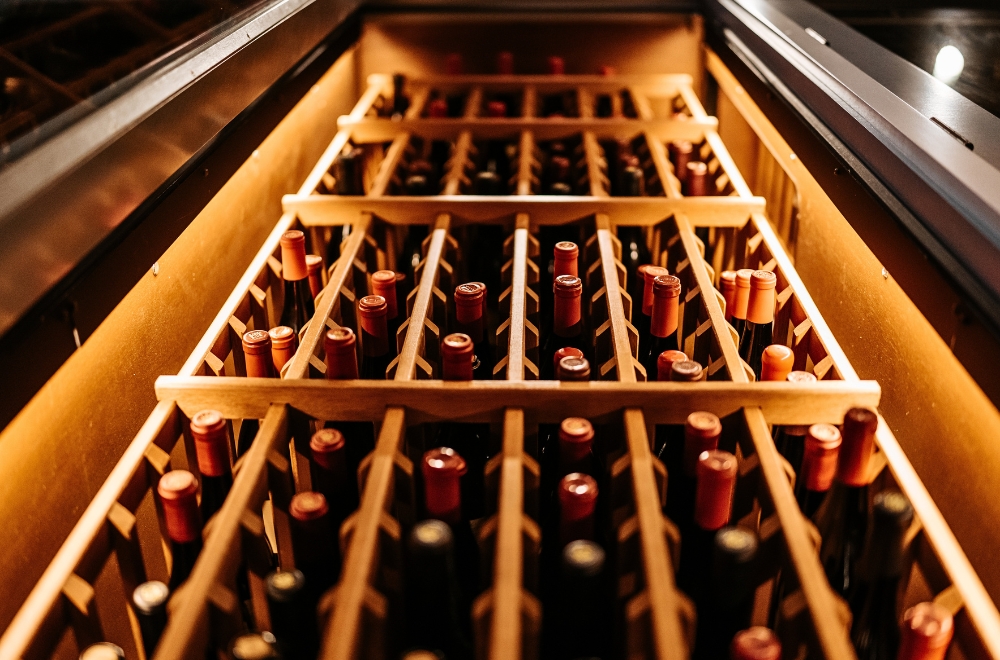
More than 6,200 wineries operate across California, according to the Wine Institute, and most of them are really running three businesses out of one address: making wine, pouring it for tasting room visitors, and shipping wine club orders across state lines.
Old Harbor Insurance builds winery insurance in California around all three, since a policy built only for production rarely covers what happens once the tasting room opens.
A winery selling bulk wine under contract to a distributor doesn’t face the same exposure as one pouring tastings every weekend or renting out the crush pad for weddings each fall. Figuring out which of those things happen on-site, instead of assuming a standard commercial policy already covers it, is usually the first thing an independent agent catches.
What Winery Insurance Covers in California
Most winery policies bundle four things a standard business policy either splits apart or skips entirely: property coverage for the production side, liquor and product liability for what happens after the wine leaves the tank, business interruption for income lost during a shutdown, and auto or inland marine coverage for wine and equipment on the move.
| Coverage Type | What It Addresses |
| Property and equipment | Crush pad, fermentation tanks, barrel rooms, bottling lines, tasting room build-out |
| Liquor liability | Claims tied to alcohol served or sold on-site |
| General liability | Visitor, contractor, and delivery injuries on the property |
| Product liability and recall | Contamination, mislabeling, or spoilage that reaches a customer |
| Business interruption | Lost income when production or tasting room operations stop |
| Commercial auto and inland marine | Vehicles and wine moving between the winery and other sites |
Production and Equipment Coverage
Crush pads, tanks, barrel rooms, bottling lines, and refrigeration systems usually get written into property and inland marine coverage rather than a standard building policy, since most of that equipment sits in structures built for production, not everyday business use. A barrel room full of aging wine is real inventory value that a generic property limit can easily undercount, and a chiller that fails mid-harvest can spoil a whole tank before anyone catches it.
Liquor Liability and Tasting Room Exposure
General liability covers slip-and-fall or delivery accidents on the property, but it usually stops covering claims tied to alcohol the moment tastings open to the public.
California’s dram shop law shields most businesses from liability for serving an adult who later causes harm, with one exception: serving a visibly intoxicated minor. Liquor liability, usually its own policy or endorsement, is what fills that gap.
Product Liability, Recall, and Spoilage Coverage
Bottling under your own label brings product liability exposure a fruit-only grower never deals with: a mislabeled allergen or a contamination problem that surfaces after a bottle is already in someone’s hands.
Recall coverage pays to pull and replace product once that kind of defect turns into a claim, and spoilage coverage, usually folded into a property or inland marine policy, covers wine ruined by a refrigeration failure or a tank that fails before bottling.
Why California Wineries Face Distinct Insurance Risks
Wildfire Smoke Taint and Interrupted Production
Smoke taint doesn’t need a fire on the property to ruin a vintage. Volatile compounds from wildfire smoke settle into grape skins and bond with sugars, and the ashtray-like flavor can take months to show up, according to valuation research from J.S. Held.
By then the wine often can’t move through normal retail or wine club channels and gets dumped into the bulk market for a fraction of its price, a loss standard property coverage won’t touch since nothing burned.
Multiple Licenses Across State and Federal Regulators
A winery producing and selling its own wine typically needs a Type 02 winegrower license from the state. One that only produces through a custom-crush arrangement usually holds a Type 17/20 wholesale and off-sale combination instead, which skips the tasting-room privilege. On top of the state license, TTB requires federal approval to operate as a bonded winery before any wine can legally be produced or sold.
How Much Does Winery Insurance Cost in California?
Premiums depend on production volume, tasting room traffic, whether the winery hosts private events, and how much wine is sitting in barrels, tanks, and bottles at any given time. A small producer selling exclusively to a handful of restaurants carries a narrower liability profile than one that’s open to the public seven days a week with a wine club shipping to a dozen states.
Fire hazard zone, building age, and whether coverage needs to stretch to leased crush space or off-site storage move the price further. Two wineries a mile apart, similar size, similar output, can land on very different premiums once one of them adds a tasting room or ships to half the country and the other doesn’t.
How Old Harbor Insurance Helps
Not every carrier wants to touch a winery. Combine crush-pad property risk with liquor liability and a public tasting room, and plenty of underwriters would rather pass. Old Harbor Insurance works with more than 80 A-rated carriers, so instead of settling for whatever one company is willing to offer, a winery’s coverage gets compared across several of them until one wants the risk.
Agents also help sort out what changes when a winery adds weekend hours, launches a new label, or brings on event staff for a wedding season, the kind of shift that quietly outgrows a policy nobody’s looked at in years. The agency’s office sits in Temecula, in the same wine country fire zones that come up in conversation with local wineries pretty much every season.
Get Your Winery’s Coverage Reviewed
A lot of winery policies get set up once, at the first vintage, and nobody looks at them again until a claim forces the question. If the tasting room, the wine club, or the shipping side of the business looks different than it did when the policy was written, contact Old Harbor Insurance to walk through what’s changed, or get a quote from a few other carriers before renewal.
Frequently Asked Questions
Does winery insurance cover wine damaged in transit to a distributor or wine club member?
Wine damaged in transit to a distributor, retailer, or wine club member is usually covered under an inland marine or cargo policy, not the winery’s general property coverage. That’s true whether the winery’s own truck makes the delivery or a third-party carrier does. Which policy responds is usually spelled out in the shipping or distribution agreement, not left for both sides to guess after the fact.
Do wineries need separate coverage for hosting weddings or private events?
Standard liquor and general liability limits often exclude or cap coverage for big hosted events like weddings unless a special-event endorsement is added. A day-to-day tasting room policy is priced around a few dozen visitors sampling pours, not two hundred wedding guests and an open bar running until midnight. Wineries that host private events regularly are better off adding that endorsement than hoping their standard coverage stretches to cover the difference.
Is liquor liability insurance legally required to hold a Type 02 license in California?
California’s Department of Alcoholic Beverage Control doesn’t require a winery to carry liquor liability insurance to hold a Type 02 license. Plenty of landlords, event venues, and lenders ask for proof of it anyway before they’ll allow tastings or events on their property. Carrying it voluntarily protects the business even where the state itself doesn’t require it.
Does business interruption coverage apply if a tasting room closes due to a wildfire evacuation order without direct property damage?
Business interruption coverage can extend to a mandatory evacuation through what’s called a civil authority provision, which pays for lost income when the property itself isn’t damaged but access to it is blocked. That coverage usually lasts only a limited number of days and has to tie back to a covered peril nearby. A tasting room closed for a week during a fire evacuation would likely fall inside that window; one closed for a month over a road closure might not.
Are seasonal or part-time tasting room staff covered under the same workers’ compensation policy as production employees?
California requires workers’ compensation coverage for part-time and seasonal tasting room staff just as it does for full-time production employees. That applies whether staff are paid hourly, work weekends only, or come from a staffing agency for a single event. If the staffing agency doesn’t carry its own workers’ comp, the winery can end up covering an injury that happened on someone else’s payroll.
Does a winery’s property policy cover wine stored off-site at a shared or leased crush facility?
Wine stored at a shared or leased crush facility usually has to be scheduled separately on the winery’s own policy, since a standard property limit is written around the winery’s own address. That matters most in custom-crush arrangements, where it’s easy to assume the facility’s policy covers everything sitting in its tanks. It often doesn’t, and the two sides tend to discover that only after a tank goes bad.
What changes for a winery’s insurance when it adds a Type 85 license for direct-to-consumer shipping?
Adding a Type 85 license to ship directly to consumers across state lines usually increases a winery’s product liability and inland marine exposure, since more wine is leaving the property in smaller shipments to more places. Some states also enforce their own alcohol shipping rules that affect what a carrier is willing to insure at all. A winery that adds this license without telling its agent may renew the same coverage that was written for a much smaller shipping footprint.