
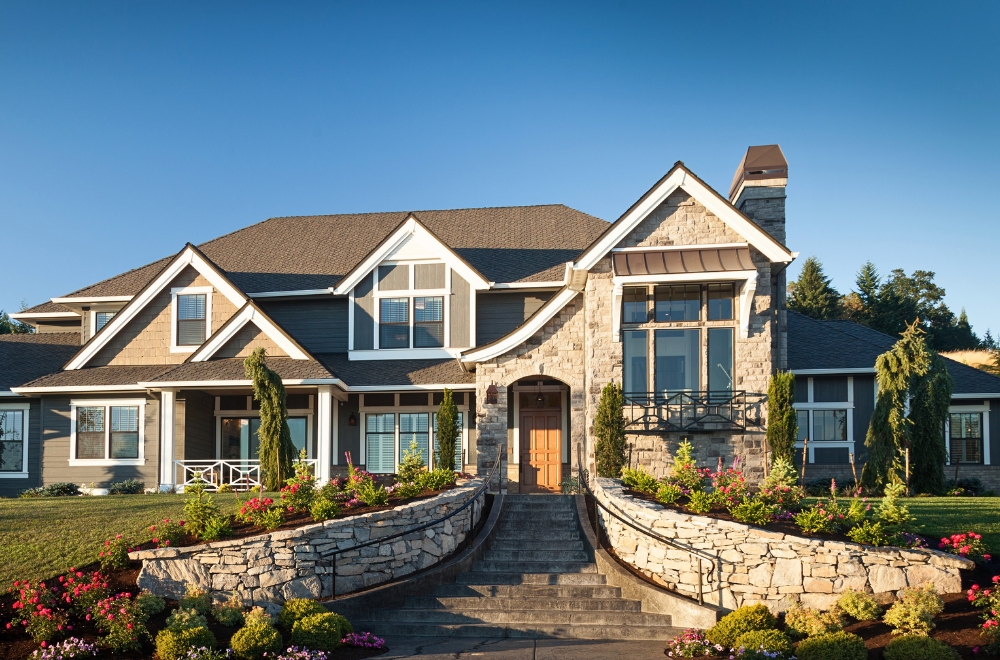
Fallbrook isn’t a standard insurance market. Its rural character, hillside terrain, avocado groves, large-lot properties, and documented wildfire history make it one of the more challenging communities to insure in North San Diego County. The 2007 Rice Fire — which burned 9,472 acres through Fallbrook, destroyed 206 homes and 40 outbuildings, and forced the evacuation of over 45,000 residents — remains a defining reference point for how insurers model risk here. Some carriers won’t write policies in the Fallbrook-Bonsall area at all.
Old Harbor Insurance works across 81 A-rated carriers to find coverage options for Fallbrook’s rural and semi-rural properties — including the specialty and surplus lines markets that standard carriers often can’t access.
Why Fallbrook Requires Specialized Coverage
Fallbrook’s geography creates compounding risk that standard policies often underestimate — the Santa Margarita River corridor has been flagged by local fire officials as one of North County’s two worst wildfire scenarios. Decades of unburned fuel and Santa Ana wind events mean fire from the Temecula River Gorge could reach Fallbrook in under three hours. In response, the North County Fire Protection District enforces a fire code stricter than San Diego County’s, requiring sprinklers in single-family dwellings, paved driveways, and wildland-urban interface construction standards.
According to CAL FIRE’s wildfire preparedness program, Fallbrook’s hillside terrain, chaparral fuel loads, and proximity to open wildland create conditions where standard underwriting models produce conservative results. Wood roofs, eucalyptus trees near structures, and homes on upslope terrain are among the specific factors that local insurance professionals have identified as triggering declines or surcharges — sometimes even for properties that survived past fires.
What Standard Coverage Covers — and Where It Falls Short
The California Department of Insurance consumer guide outlines the six standard components of a homeowners policy: dwelling, other structures, personal property, loss of use, personal liability, and medical payments. For Fallbrook properties, understanding how claims are settled is particularly important — rural properties with well systems, septic systems, detached structures, and acreage generate claims that standard urban policies handle imprecisely.
The Detached Structure Gap
Standard “other structures” coverage is typically set at 10% of your dwelling limit. For a Fallbrook property with a detached workshop, horse barn, equipment shed, or guest casita, that 10% can fall far short of actual replacement cost. Extended or scheduled other structures coverage brings those limits in line with what your specific outbuildings would actually cost to rebuild.
Agricultural and Specialty Exposures
Fallbrook’s avocado and citrus groves, irrigation infrastructure, and agricultural equipment fall outside the scope of standard homeowners coverage. The USDA’s disaster resource center maintains resources for rural landowners on protecting agricultural operations, but the coverage itself requires dedicated farm and ranch endorsements or a separate agribusiness policy. If your property includes working agricultural land or commercial-scale equipment, a standard homeowners policy leaves those assets entirely unaddressed.
Wildfire Protection for Fallbrook Properties
The steps that most improve insurability here are the same ones that most reduce fire risk — and California now requires admitted insurers to offer premium discounts for documenting them under the Safer from Wildfires framework.
| Mitigation Step | What It Addresses |
| 100 ft defensible space | Reduces ember ignition and direct flame contact |
| Class A fire-resistant roof | Eliminates the primary structure ignition pathway |
| Ember-resistant vents | Prevents interior ignition from wind-driven embers |
| Paved driveway access | Required by NCFPD; also affects fire response time |
| Fire sprinkler system | Required for new construction in NCFPD jurisdiction |
| Non-combustible siding | Reduces radiant heat ignition risk |
The FEMA wildfire-resistant construction guidance documents that homes within one mile of active fire can ignite from wind-driven embers alone — making the vent and roof improvements particularly high-impact for Fallbrook’s hillside properties. The NFPA’s wildfire safety resources provide additional technical detail on ember-resistant construction that insurers reference when evaluating mitigation documentation.
Smoke Damage and Air Quality Considerations
Fallbrook homeowners face smoke exposure not just from local fire events but from regional fires across North San Diego County and Southwest Riverside County. According to the EPA’s wildfire smoke course, HVAC systems can pull contaminated air into a home during a smoke event, depositing particulates throughout ductwork and insulation.
Smoke remediation — including duct cleaning, air filtration replacement, and surface treatment — can reach $10,000–$30,000 on a larger rural home. Smoke damage is covered under the fire peril in most standard policies, but the breadth of that coverage varies by carrier. Confirming your policy’s smoke remediation language is worth doing before fire season.
Finding Coverage in a Restricted Market
The San Diego County Office of Emergency Services acknowledges Fallbrook as one of North County’s most wildfire-exposed communities. That recognition is reflected in carrier underwriting — some admitted insurers won’t write Fallbrook-Bonsall area properties regardless of individual property characteristics. The path to adequate coverage here typically runs through an independent agent with access to surplus lines carriers, specialty rural programs, and the remaining admitted carriers that still underwrite selectively in North County.
Documented mitigation improvements are the most effective tool for reopening carrier options that the standard market has closed. An agent who understands which carriers weight those improvements most favorably — and who can place specialty coverage for agricultural assets, outbuildings, and high-value custom homes — produces different outcomes than a single-carrier search. Contact us to see what’s available for your specific Fallbrook property.
Your Fallbrook Coverage Starts Here
The right policy for a Fallbrook property reflects its outbuildings, its agricultural assets, its fire zone classification, and the specific risk factors that a standard policy either caps or excludes. Get a quote from Old Harbor Insurance to compare real options across the carriers we work with in North San Diego County.
Frequently Asked Questions
Why do some insurers refuse to write policies in Fallbrook?
Fallbrook’s combination of hillside terrain, heavy chaparral fuel loads, documented fire history, and proximity to the Santa Margarita River corridor makes it one of the highest-risk communities in North San Diego County for insurers. Some carriers decline the entire Fallbrook-Bonsall geographic area regardless of individual property characteristics. Others evaluate each property individually based on roof type, tree proximity, slope, and mitigation status. An independent agent with surplus lines market access is the most reliable way to find carriers still writing in the area.
Does my homeowners policy cover my avocado grove or agricultural equipment?
No. Standard homeowners policies are designed for residential structures and personal belongings — they don’t extend to commercial-scale agricultural operations, irrigation infrastructure, crop losses, or farm equipment. Fallbrook property owners with working groves or agricultural land need dedicated farm and ranch endorsements or a separate agribusiness policy to cover those assets. The gap between what a standard policy covers and what a working agricultural property needs can be substantial.
What does the North County Fire Protection District’s stricter fire code mean for my insurance?
NCFPD requires fire sprinklers in single-family dwellings, paved driveways, and compliance with wildland-urban interface construction standards that exceed San Diego County’s general code. These requirements both reflect and reinforce the elevated fire risk in Fallbrook. For insurance purposes, compliance with NCFPD standards is a meaningful underwriting signal — and a home that doesn’t meet those standards may face stricter carrier scrutiny or limited availability.
Are my detached structures and outbuildings fully covered?
Likely not at replacement cost. Standard homeowners policies set “other structures” coverage at 10% of your dwelling limit — meaning a $600,000 dwelling policy provides $60,000 for all outbuildings combined. For a Fallbrook property with a horse barn, equipment shed, guest cottage, or multiple outbuildings, that cap falls well short of actual replacement value. Extended or scheduled coverage for other structures brings those limits into alignment with what rebuilding would actually cost.
What should I do to make my Fallbrook home more insurable?
The highest-impact steps for Fallbrook properties are: replacing a wood roof with Class A fire-resistant roofing, installing ember-resistant vents, maintaining 100 feet of defensible space, and documenting all improvements through your county fire district. Each of these shifts your property’s risk profile in insurer underwriting models — and California now requires admitted insurers to offer discounts for documented mitigation under the Safer from Wildfires framework. Properties that have made and documented these improvements have meaningfully more carrier options than those that haven’t.
Does earthquake insurance make sense for Fallbrook?
Fallbrook is in northwestern San Diego County, within influence of the Elsinore Fault system. Earthquake damage is excluded from standard homeowners policies. The California Earthquake Authority provides coverage through participating residential insurers, and the premium cost should be evaluated against your home’s age, foundation type, and construction. For rural properties with custom construction and higher rebuild costs, the financial exposure from an uninsured seismic event is significant.
How do I document my home’s mitigation improvements for insurance purposes?
Request a defensible space inspection through your county fire district or CAL FIRE — these produce a documented record of compliance that you can provide to carriers. Photograph improvements such as roof replacements, vent upgrades, and vegetation clearance with date stamps. Keep receipts and contractor documentation for any structural upgrades. The California Department of Insurance maintains information on the Safer from Wildfires framework and the specific improvements that qualify for mandatory insurer discounts — documentation tied to those criteria carries the most weight in underwriting review.