
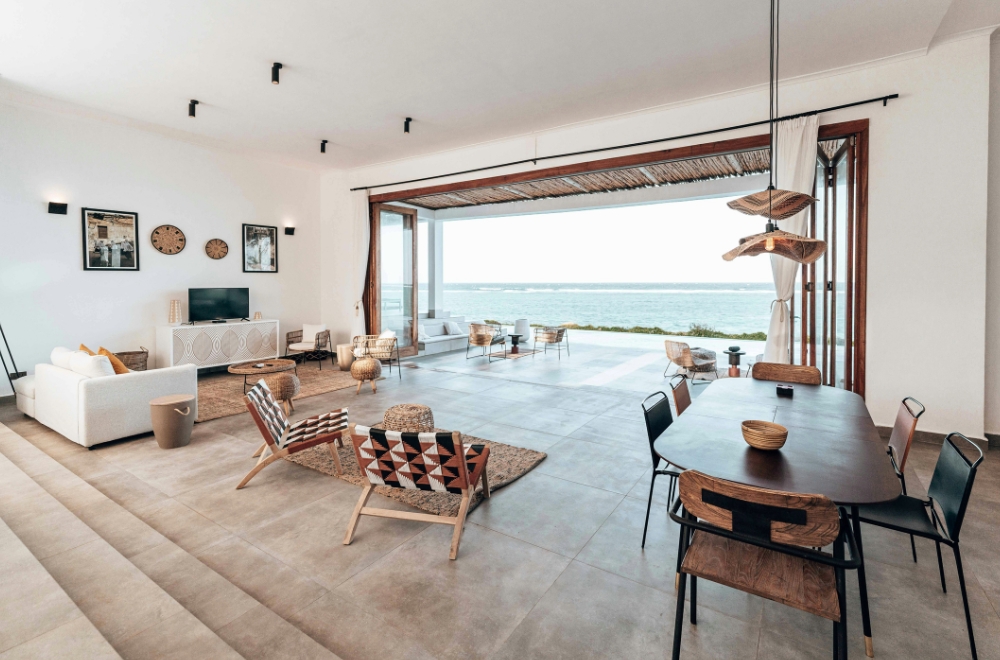
Dana Point’s combination of ocean proximity, canyon-adjacent terrain, and high property values creates one of the more complex insurance profiles in South Orange County. According to ClimateCheck, 83% of buildings carry very high wildfire risk — comparable to communities in the inland wildfire belt despite Dana Point’s coastal location — and drought risk is rated extreme. For luxury coastal homes where rebuild costs routinely exceed $2–4 million, the margin for error in coverage structure is narrow.
Old Harbor Insurance works across 81 A-rated carriers to help Dana Point homeowners find coverage calibrated to coastal luxury properties — including carriers that specialize in high-value homes and the coverage structures those properties require.
The Wildfire Risk Coastal Homeowners Underestimate
Dana Point’s canyon topography is the driver behind its surprisingly high wildfire exposure. Properties in and around Monarch Beach, Headlands, and Niguel estates back up to or sit above canyon land where fire behavior during Santa Ana wind events can be rapid and unpredictable. The City of Dana Point published its updated FHSZ maps under Governor Newsom’s executive order fast-tracking LRA mapping — designating canyon-adjacent neighborhoods under the new 2025 CAL FIRE model that incorporates updated climate data, ember spread modeling, and local fire history.
The Orange County Fire Authority’s Ready, Set, Go! program provides wildfire preparedness resources specifically for South Orange County communities. For luxury properties, the OCFA’s free defensible space inspection program offers documented compliance — documentation that directly supports mandatory insurer discount eligibility under California’s Safer from Wildfires regulations and can strengthen a high-value property’s underwriting profile.
What Fire Insurance Actually Covers on a Luxury Property
Wildfire is a covered peril under standard homeowners policies, but the coverage quality varies significantly based on how the policy is structured. Understanding how fire claims are settled before a loss occurs matters — particularly the difference between actual cash value settlement and guaranteed replacement cost, which is the more appropriate option for high-value custom homes.
The Rebuild Cost Precision Problem
A $3 million Dana Point home doesn’t cost $3 million to rebuild — it may cost $4–5 million or more, depending on the quality of finishes, the custom architectural elements, and the post-disaster labor market conditions that drive costs sharply higher when regional rebuilding demand spikes simultaneously. Standard policies that cap coverage at the policy’s stated limit without extended or guaranteed replacement cost language expose homeowners to exactly this gap.
According to the Insurance Information Institute, luxury homes require coverage structures that address custom materials, artisan labor, and architectural precision — none of which a generic dwelling limit accommodates accurately.
Coastal Risk: What Standard Policies Don’t Address
Flood Exposure
Standard homeowners policies exclude flood damage from any external water source. According to FEMA, flood coverage requires a separate policy through the National Flood Insurance Program or a private flood carrier.
Dana Point’s coastal geography creates real flood exposure — ClimateCheck data shows flood-affected properties in the city average a 35% chance of flooding at 2.4 feet deep over 30 years. Homeowners can verify their specific FEMA flood zone designation using the FEMA Flood Map Service Center.
Coastal Erosion and Construction Resilience
For blufftop and waterfront properties, erosion and sea level rise introduce risks that standard policies address imperfectly. NOAA’s California coastal resources document accelerating erosion rates along the Southern California coast driven by sea level rise and shifting storm patterns.
The FEMA coastal construction guidance recommends elevated foundations, corrosion-resistant materials, and improved drainage systems for ocean-adjacent construction — features that directly affect both property longevity and long-term insurability. Standard homeowners policies generally exclude gradual erosion and earth movement, making property-specific consultation with an agent essential for waterfront homes.
Protecting Luxury Assets and Personal Collections
A standard homeowners policy applies sub-limits to high-value personal property — typically $1,500–$2,500 for jewelry categories and similar caps for art. For Dana Point homeowners with fine art, wine collections, jewelry, or other high-worth assets, these limits represent a fraction of actual value. Scheduled personal property coverage specifies individual items at their appraised value and typically provides broader protection: no deductible on many categories, coverage for accidental breakage, and international coverage during travel.
The NOAA Billion-Dollar Weather and Climate Disasters database documents a clear and sustained increase in catastrophic loss events across the U.S., with California consistently among the highest-loss states. These trends directly affect the underwriting calculus for luxury coastal markets — carriers are pricing forward-looking risk, not historical averages, which is why premiums for Dana Point’s high-value tier have continued rising even as the broader insurance market has been in flux.
Smoke Damage: A Distinct Concern for Luxury Homes
Wildfire smoke exposure affects Dana Point properties not just during local fire events but throughout each fire season as regional blazes generate smoke that penetrates HVAC systems, coats surfaces, and requires professional remediation.
According to the EPA’s wildfire smoke and indoor air quality guidance, smoke contamination of ductwork and insulation in a large, custom home can require $15,000–$40,000 in professional remediation. Smoke damage is covered under the fire peril in most policies, but coverage scope — particularly for HVAC systems, luxury finishes, and art — varies significantly by carrier and policy language. For high-value properties, confirming those terms before fire season is essential.
Building Resilience Into a Luxury Coastal Home
The U.S. Department of Energy’s resilient home design guidance identifies roofing systems, impact-resistant windows, drainage infrastructure, and weather-resistant exterior materials as the highest-impact investments for protecting high-value coastal properties. For Dana Point luxury homes, these aren’t just loss-prevention steps — they’re underwriting factors. Carriers evaluate construction quality, roofing materials, window specifications, and drainage when pricing coastal luxury properties.
A home built or renovated to current resilience standards is both better protected and more competitively insured. After any loss requiring repairs, the California Contractors State License Board recommends verifying contractor license status at cslb.ca.gov — high-value property repairs attract unlicensed solicitors, and substandard work on a luxury property can affect both future insurability and property value.
How Old Harbor Insurance Serves Dana Point Homeowners
Luxury home insurance in Dana Point requires carriers with the underwriting appetite and technical capacity for high-value coastal properties — Chubb, AIG Private Client, PURE, and comparable specialty carriers that operate through independent agents rather than direct channels.
An independent agent who regularly places South Orange County luxury properties understands how canyon proximity affects each carrier’s FHSZ treatment, which carriers currently offer guaranteed replacement cost for Dana Point’s address range, and how to structure flood and earthquake coverage alongside a primary policy. Contact us to see how your property profiles across the luxury carriers we work with in Orange County.
Your Dana Point Coverage Starts Here
The right coverage for a Dana Point luxury home reflects its true rebuild cost, its canyon and coastal exposure, its high-value assets, and the liability profile of a coastal estate. Get a quote from Old Harbor Insurance to compare options across the full range of carriers we work with in South Orange County.
Frequently Asked Questions
How does wildfire exposure affect luxury home insurance pricing in Dana Point?
Eighty-three percent of Dana Point buildings carry very high wildfire risk, driven largely by canyon terrain. Insurers use proprietary models beyond official FHSZ maps — factoring in vegetation proximity, slope, construction materials, and mitigation documentation. Luxury carriers like Chubb and AIG apply detailed property-level assessment rather than broad zone pricing, which is why underwriting outcomes vary significantly between similar addresses.
Does my policy cover wildfire smoke remediation on a luxury home?
Yes, in most cases — smoke damage falls under the fire peril. However, remediation scope for a large custom home is substantial, and carriers differ in how they settle smoke claims. High-value carriers like PURE often provide more comprehensive coverage than standard admitted carriers, and some deploy proactive HVAC smoke filters before fire season. Confirm your carrier’s specific smoke damage terms before assuming full coverage.
What is guaranteed replacement cost and why does it matter for a Dana Point home?
Guaranteed replacement cost pays the full rebuild cost regardless of whether it exceeds your stated coverage limit. For a Dana Point luxury home, the gap between a policy limit and actual post-loss rebuild cost can reach hundreds of thousands to millions of dollars — especially when regional wildfire events drive simultaneous demand. Not all carriers offer this; some offer extended replacement cost at 125–150% instead. The distinction is significant for high-value properties.
How does coastal erosion affect my homeowners coverage?
Standard policies cover sudden structural damage but explicitly exclude gradual erosion and earth movement. For blufftop and waterfront properties, this gap is real — NOAA documents accelerating erosion rates along the Southern California coast. Some carriers offer earth movement endorsements, but this requires deliberate policy construction and won’t appear in a standard policy without specifically requesting it.
Should I carry an umbrella policy on a Dana Point estate?
Yes. Standard homeowners liability limits can be exceeded by a single premises liability judgment in California. An umbrella policy extends protection to $5–25 million depending on your carrier and asset level. For high-net-worth households in California’s litigation-heavy environment, umbrella coverage is a straightforward risk management decision at modest cost relative to the protection it provides.
What coastal flood exposure does Dana Point face that isn’t covered by my homeowners policy?
Flood damage from external water is excluded from standard policies. ClimateCheck data shows Dana Point’s flood-exposed properties face a 35% average flood probability at 2.4 feet deep over 30 years. Coverage is available through FEMA’s NFIP or private flood carriers. For properties near Dana Point Harbor or lower-lying coastal areas, this is a gap worth addressing directly.
How do I find out if my Dana Point property is in a Very High Fire Hazard Severity Zone?
The City of Dana Point maintains FHSZ information at danapoint.org, updated per the 2025 CAL FIRE LRA recommendations. You can also search your address on the CAL FIRE zone viewer at osfm.fire.ca.gov. Properties in the VHFHSZ must maintain 100 feet of defensible space, meet Chapter 7A construction standards for new work, and disclose the designation to buyers under California’s AB 38.