
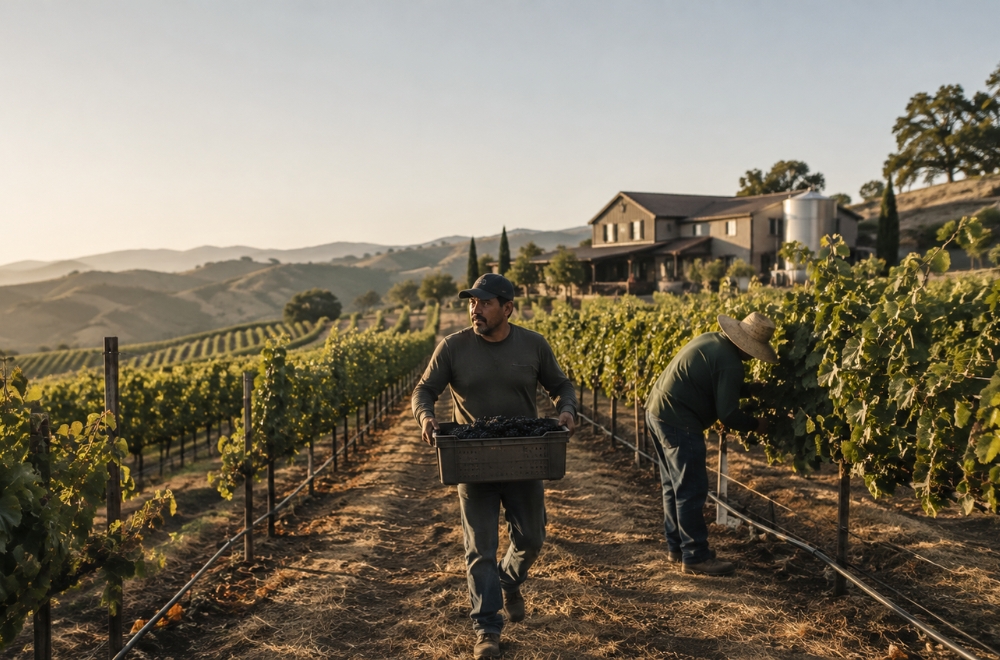
Temecula Valley alone is home to over 40 wineries and vineyards that face risks similar to those in Napa, Sonoma, and Paso Robles: wildfires, frost, and liability from hosting visitors on a working farm.
Because generic farm policies often overlook what makes a vineyard different from a standard row-crop operation, Old Harbor Insurance builds vineyard insurance in California around each grower’s acreage, crush value, and whether the operation also includes winemaking or a tasting room.
A vineyard that serves wine on-site or leases equipment to a neighboring farm carries different exposure than one that sells fruit exclusively under contract to a single winery. Aligning a policy with the reality of day-to-day operations, rather than relying on a generic farm template, is usually what determines whether a claim gets paid. A quick review with an independent agent can surface gaps before they turn into a denied claim.
What Vineyard Insurance Covers in California
Most vineyard programs bundle three types of coverage into one package rather than pricing crops and buildings separately: crop insurance for the vines and fruit, property and equipment coverage for what’s built and used on-site, and liability coverage for people on the property. Which combination applies depends on whether the operation only grows grapes for sale or also makes wine and hosts visitors.
| Coverage Type | What It Addresses |
|---|---|
| Crop insurance | Yield loss, and since 2024, vine loss from frost, hail, drought, and disease |
| Property and equipment | Trellising, irrigation, tractors, harvesters, tasting room and processing structures |
| Commercial auto | Trucks hauling grapes, supplies, or equipment between blocks and facilities |
| General and liquor liability | Visitor or contractor injuries, and alcohol-service claims once wine is poured on-site |
| Umbrella | Added limit above underlying property and liability policies |
Crop and Yield Coverage
Crop insurance covers losses to the grapes themselves from frost, hail, drought, and disease. The USDA’s Risk Management Agency has insured grape yield losses for years, and in 2024 it expanded coverage to the grapevines themselves, not just the fruit. In California, a hard freeze can damage vines that take three to five years to replace, so insuring the plant and not only the harvest is worth checking on a policy.
Vineyard Property and Equipment
Trellising, irrigation systems, tractors, harvesters, and any tasting room or processing structures usually fall under commercial property and inland marine coverage. Growers who lease equipment to neighboring vineyards or contract out custom harvesting need coverage that follows the equipment off their property. Trucks used to haul grapes or supplies between vineyard blocks and processing facilities usually need a separate commercial auto policy.
Liability Exposures Unique to Grape Growers
General liability covers accidents involving visitors, delivery drivers, or contractors on the property, which matters more once a tasting room opens to the public. Vineyards pouring wine on-site usually need liquor liability too, and those bottling under their own label usually need product liability as well. An umbrella policy adds a layer above these limits, useful when a liability claim runs larger than the base policy covers.
Why California Vineyards Face Distinct Insurance Risks
Wildfire Exposure in California Wine Country
California had roughly 540,000 acres of wine grapes in the 2025 crop year, according to the joint acreage report from the USDA and California Department of Food and Agriculture. Much of it sits inside Fire Hazard Severity Zones mapped by the state. Wine country in Napa, Sonoma, Temecula Valley, and Paso Robles often falls within moderate to very high zones, which shapes how carriers price coverage.
Smoke Taint, Frost, and Drought
Wildfire does not need to reach a vineyard to damage the harvest. Research from UC Davis’s Department of Viticulture and Enology has documented that smoke exposure during ripening can taint grapes even when the fire remains miles away, a risk not every crop policy treats as a direct fire loss. Frost and drought add another layer of exposure, since a single freeze can damage vines that take years to replace.
How Much Does Vineyard Insurance Cost in California?
Premiums depend on acreage, crush value, the fire hazard zone in which a property sits, and whether the operation includes a tasting room or event space. A five-acre grower selling fruit under contract to a single winery carries a narrower liability profile than an operation hosting weekend tastings and private events on the same land. Equipment value and whether coverage needs to extend to leased or shared machinery are factors too.
Because vineyard risk profiles differ so much from one property to the next, a single quote from one carrier rarely reflects what a grower would pay elsewhere. Independent agents, licensed through the California Department of Insurance, can shop that same vineyard across several carriers, something a captive agent tied to one company, such as a large national insurer, cannot do.
How Old Harbor Insurance Helps
Old Harbor Insurance is an independent agency working with more than 80 A-rated carriers, so grower policies get shopped across that network rather than limited to one company’s underwriting appetite. That matters here, since not every carrier is willing to write coverage in high-fire-hazard zones or for operations that combine growing, winemaking, and tasting-room hospitality under one roof.
Agents walk through what a policy does and does not cover, including how crop, property, and liability limits interact when a vineyard adds a tasting room or leases equipment to a neighbor. The agency’s office sits in Temecula, inside the same wine country fire zones and frost patterns that come up in conversations with local growers every season.
Get Coverage Built Around Your Vineyard
A policy written five years ago for a vineyard that has since added a tasting room, leased out equipment, or expanded acreage probably has gaps nobody has checked for. Contact Old Harbor Insurance to review current coverage against how the operation runs today, or request a quote to compare options across multiple carriers.
Frequently Asked Questions
Is there a waiting period before new crop insurance takes effect on a vineyard?
Federal crop insurance through USDA’s Risk Management Agency requires enrollment by a sales closing date set each year, usually well before bud break. Coverage does not start the moment a grower signs up, so applying ahead of that county-specific deadline matters. Missing the window usually means waiting until the following crop year.
Are agritourism events like weddings or private parties covered under general vineyard liability?
Standard vineyard liability policies often exclude or cap coverage for large hosted events unless the policy specifically endorses agritourism activity. Vineyards that host private events regularly usually need a special-event endorsement or a separate policy for those dates. Confirming event coverage in advance helps prevent a claim denial after something goes wrong at a hosted gathering.
Do California vineyards need workers’ compensation for seasonal harvest crews?
California law requires workers’ compensation coverage for agricultural employees, including seasonal harvest crews, regardless of how small the operation is. That applies whether the crew is hired directly or supplied through a farm labor contractor. Vineyards working with contracted labor should confirm the contractor carries its own workers’ compensation policy so there is no gap between the two.
What is the difference between named-peril and multi-peril crop insurance for grapes?
Named-peril crop insurance only pays for losses caused by perils specifically listed in the policy, such as hail or fire. Multi-peril crop insurance, the type offered through USDA’s Risk Management Agency, covers a broader range of causes, including drought, disease, and adverse weather. Multi-peril policies cost more but leave fewer gaps for growers dealing with several risk types in one season.
Does vineyard insurance cover leased land the same way as owned property?
Leased vineyard land can usually be insured for crop and liability exposure, but the lease agreement is what determines who is responsible for insuring permanent structures. Growers leasing land should check the lease terms against their policy to confirm who covers trellising, irrigation systems, outbuildings, and any wells tied to the vineyard’s water source. Those responsibilities should be spelled out in writing rather than assumed.
How does California’s FAIR Plan affect vineyard property coverage in high fire hazard zones?
The California FAIR Plan can provide basic fire coverage for structures on a vineyard property when standard carriers decline to write in a high fire hazard zone. FAIR Plan policies cover buildings, not crops, so growers still need a separate agricultural policy for the vines. Pairing a FAIR Plan policy with a difference-in-conditions policy fills gaps the FAIR Plan alone leaves open.
Can vineyard insurance cover vine loss from disease outbreaks like Pierce’s disease?
Some crop insurance policies extend to vine loss from specific diseases, but coverage for pest- and disease-driven losses varies by carrier and policy type. Growers in areas with known disease pressure should ask directly how a policy treats gradual vine decline versus a sudden loss event. Documenting how the disease progressed is usually required to support a claim.